ASSET ALLOCATION WITH RISK MGMT IS KEY TO WEALTH

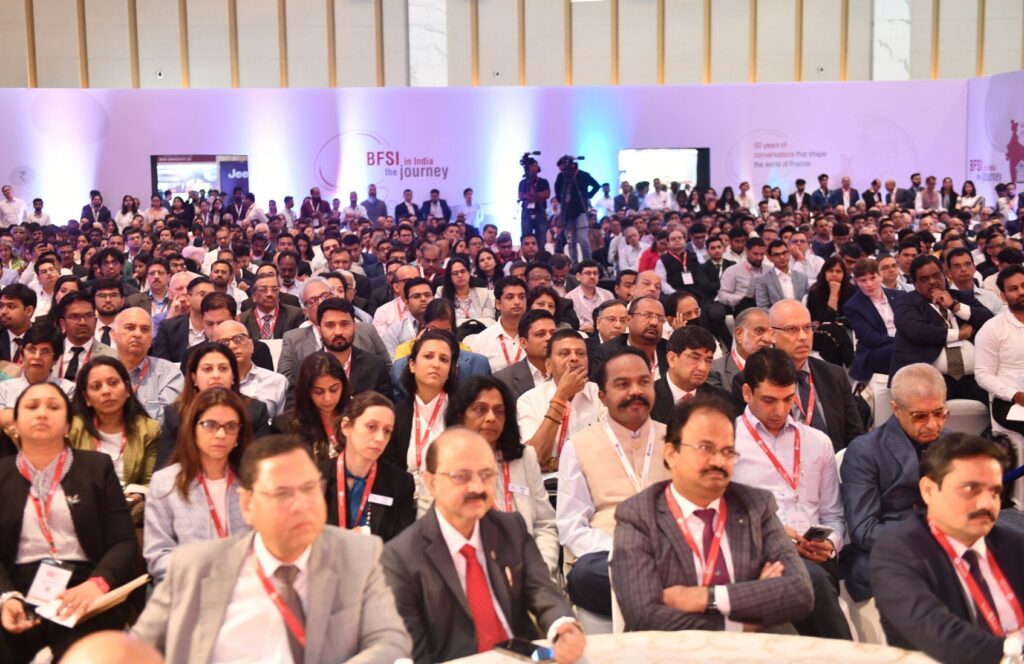
The BFSI Insight Summit, a major moment — brought together regulators, banks, fintech innovators, and insurers all under one roof for three days of real talk about what’s next. It’s not just about keeping pace, but shaping the future of finance in India, with that expo adding a pulse of what’s already in motion. Are you planning to attend, or is there a particular theme — like digital banking, regulation, or fintech growth.
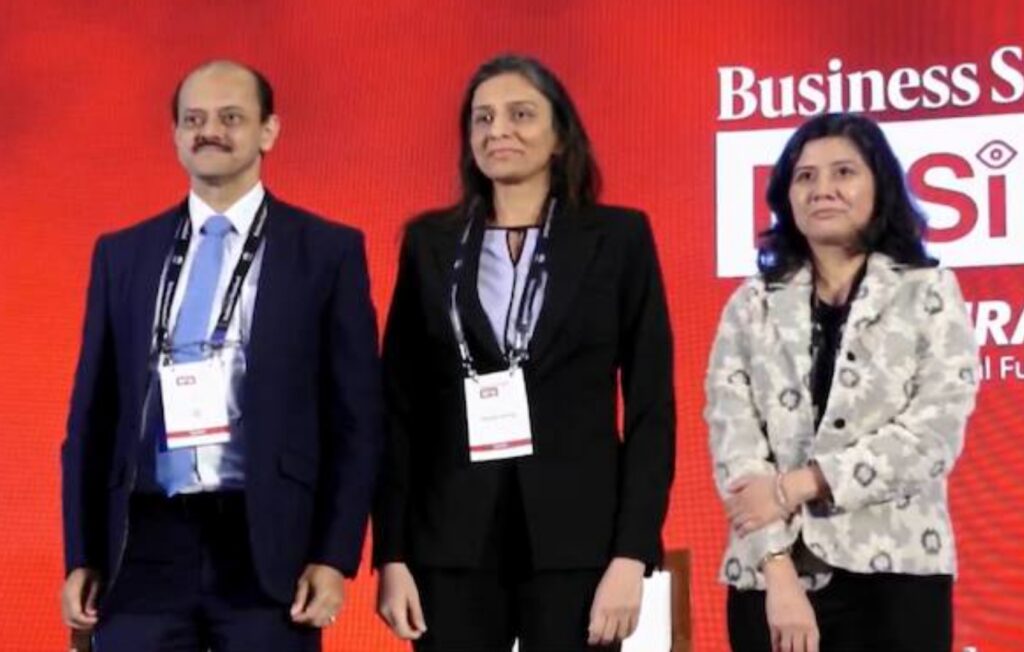
an elaboration of the core arguments and insights shared by each speaker – Sonal Varma, Chief Economist, India and Asia ex-Japan, Nomura, Samiran Chakraborty, Managing Director, Chief Economist, India, Citi Bank, Aditi Nayar, Chief Economist, ICRA at the Business Standard BFSI Insight Summit 2025:
Sonal Varma (Nomura) argued that cyclical economic policies like tax or interest rate cuts are insufficient on their own and called for an “all-out strategy” focused on structural interventions. She highlighted the critical need to expand India’s presence in major global markets—including the US, EU, Latin America, and Southeast Asia—while simultaneously improving the ease of doing business and developing high-quality, niche export products. Furthermore, she defined the Reserve Bank of India’s concept of “aspirational growth” through the lens of employment, stating that India’s growth targets must fundamentally align with the rate required to absorb surplus labor and create viable jobs outside of agriculture.
Samiran Chakraborty (Citibank) focused on the limitations of short-term fiscal stimulus, noting that measures like the pre-Diwali GST cuts function primarily as cyclical tools that offer temporary relief but do not change long-term growth trajectories. He noted that while tax adjustments were necessary because historic tax rates had not kept pace with inflation, any immediate consumption boost from these cuts has a limited lifespan once the primary demand is met. To sustain long-term economic momentum, Chakraborty emphasized that individual financial regulators’ efforts must be unified into a comprehensive, cohesive narrative that can successfully attract foreign capital and alter investor perception.
Aditi Nayar (ICRA) directed attention toward state-level fiscal prudence and structural potential, pointing out that because economic conditions vary drastically across India, individual states must tailor their own growth trajectories. She stressed that highly indebted states need to focus heavily on lowering their debt-to-GDP ratios to open up vital fiscal space for growth-driving investments. Commenting on macro-growth targets, Nayar observed that while a 6% GDP growth rate is objectively strong, it falls short of the “aspirational growth” India is entitled to, underscoring that policymakers must look beyond historical data to unlock the country’s full economic capabilities.
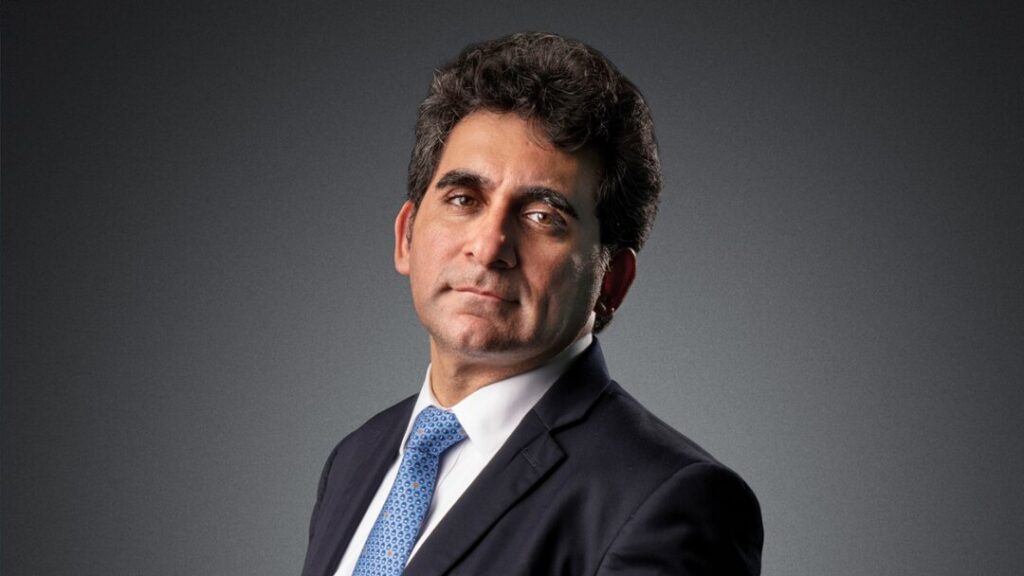
At the Business Standard BFSI Insight Summit, J.P. Morgan’s Chief India Economist Sajjid Chinoy delivered a comprehensive macroeconomic assessment, strongly defending India’s flexible inflation targeting framework as highly successful in anchoring long-term consumer expectations and concluding it requires no structural overhaul. He argued that India’s GDP growth is naturally moderating toward a steady, sustainable pace of 6.5% to 7%, an economic normalization that safely opens up strategic “space” for the Reserve Bank of India to initiate monetary policy easing as core inflation pressures soften. Furthermore, Chinoy addressed global volatility by emphasizing that a gradually depreciating Indian Rupee should not be viewed negatively, but rather utilized as a vital, natural macroeconomic shock absorber to manage external pressures and shifting global interest rate differentials without needlessly draining foreign exchange reserves.
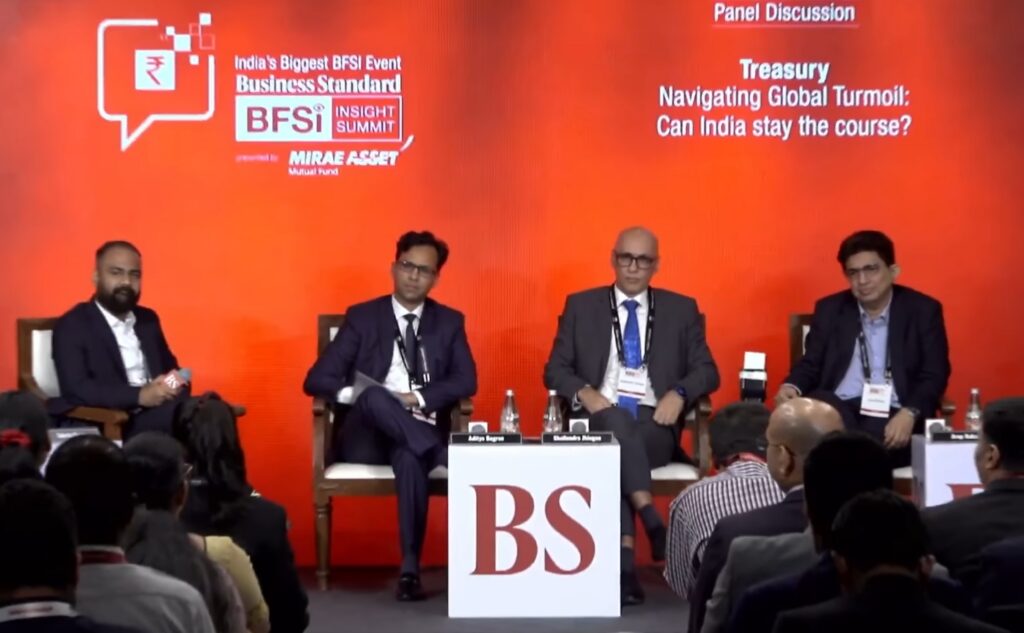
The panelists highlighted that the Indian economy remains a resilient global bright spot, steadily expanding at a 6.5% to 6.8% growth rate despite heightened global turmoil and geopolitical shifts. Chief Economic Advisor V. Anantha Nageswaran and other key officials noted that domestic growth is outperforming initial slowdown fears, supported by a healthy banking sector where gross NPAs have dropped to 2.2%. Leaders like SBI Chairman C.S. Setty emphasized long-term scaling ambitions to align with the Viksit Bharat 2047 vision, while market veterans noted that retail participation through digital channels and mutual funds continues to anchor domestic stability.
Monetary and fiscal policymakers at the summit indicated that lower inflation trends have created active space for policy easing and potential interest rate cuts to buffer against external economic shocks. Strategies to boost consumption involve liquidity management, rural infrastructure push, and proposed tax rationalizations for insurance products. While panellists cautioned investors to brace for short-term global market volatility and high valuations, the overarching consensus was that India’s robust financial ecosystem, strong corporate balance sheets, and deep capital markets provide the necessary buffer to successfully stay the course.
The panel discussion titled “Impact of Tech & AI on Retail Banking – Pros and Cons” highlighted that while artificial intelligence (AI) and technological innovation are rapidly transforming retail operations, immediate priorities must shift toward robust governance. Panelists including Arvind Vohra (HDFC Bank), Ambuj Chandna (DBS Bank India), and Virat Diwanji (Federal Bank) emphasized that returns on investment (ROI) for advanced technologies like Generative AI take time to materialize and must be evaluated on a case-by-case basis. Consequently, the consensus was that substantial investments should be redirected toward data readiness, establishing ethical standards, and building predictable, explainable AI models rather than chasing quick financial returns.
The discussion underscored a crucial operational duality: technology serves as a massive driver for efficiency, but it cannot replace human-centric trust. On the positive side, automation and AI are heavily democratizing credit assessments, optimizing customer service, accelerating debt recovery, and improving underwriting accuracy through pattern recognition. However, Sanjay Mudaliar (Bank of Baroda) and Sachin Seth (CRIF) cautioned that unchecked AI applications pose severe reputational risks by reinforcing biases or failing to explain backend decisioning. Ultimately, the executives agreed that the future of successful retail banking lies in a hybrid model—blending the speed and analytical depth of data with human empathy to ensure strict compliance with regulatory guidelines and maintain long-term consumer confidence
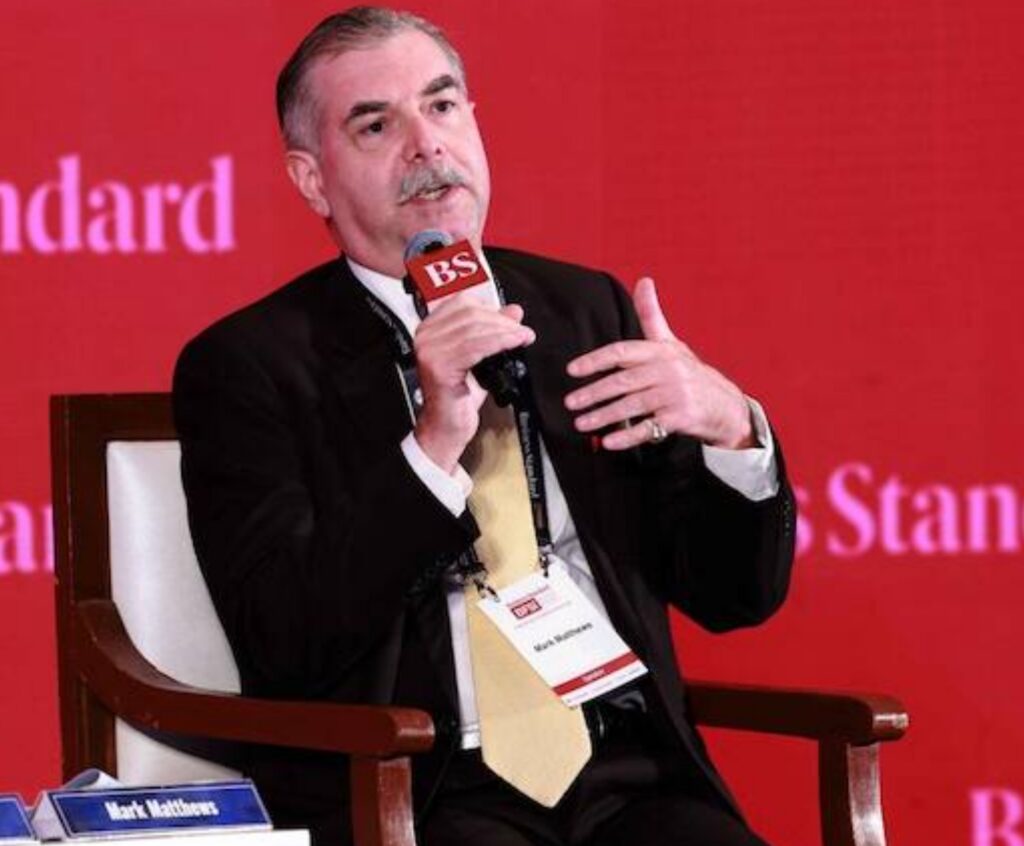
Mark Matthews of Bank Julius Baer expressed strong optimism for India, projecting 15% returns over the next year alongside 16–18% corporate earnings growth for FY27. He described India as a crucial emerging market driven by a favorable demographic and “can-do” spirit, while noting that global tech stocks remain resilient despite heavy AI spending. Mark Matthews noted that while the Nifty index underperformed broader emerging markets due to capital shifting to China, its 11–12% dollar-term annualized return remained respectable. He projected that monetary easing, GST rationalization, and income tax cuts will drive a return to double-digit corporate earnings growth by FY27, reinforcing India’s status as an essential emerging market.
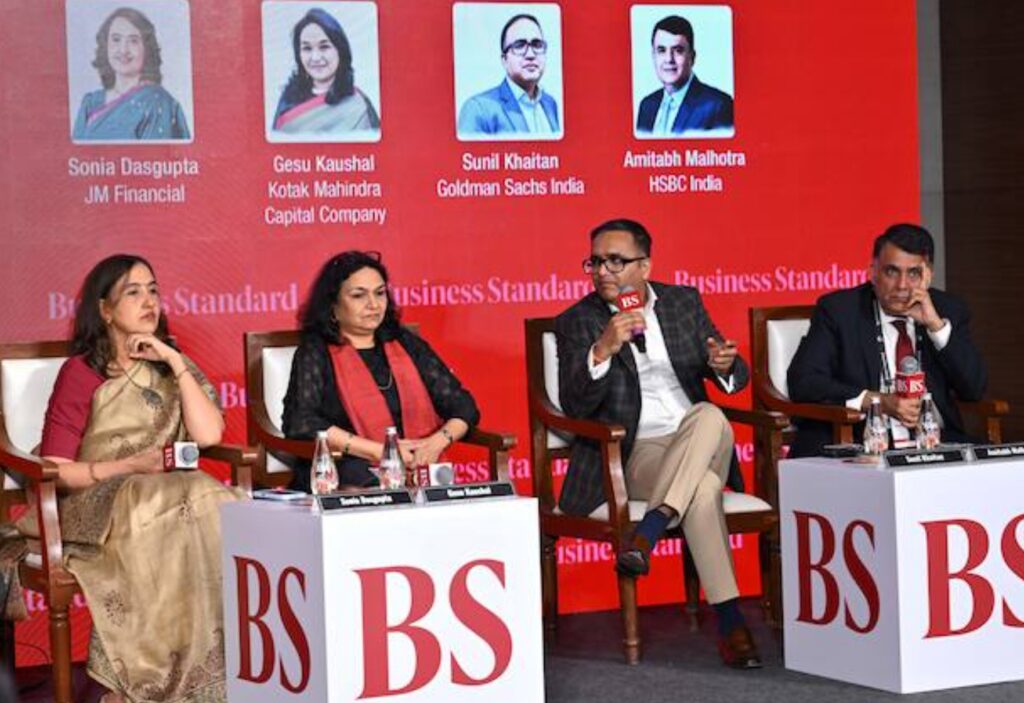
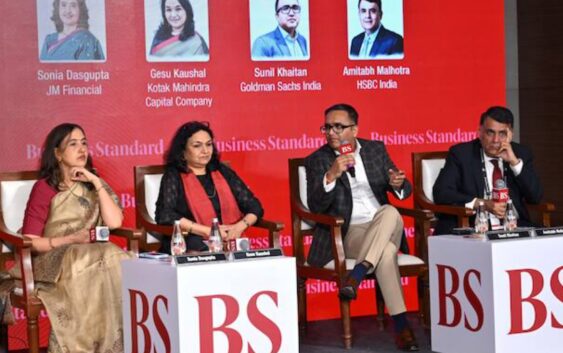
During the panel discussion titled “Deepening India’s Equity Capital Markets” at the Business Standard BFSI Insight Summit, top investment banking leaders highlighted a structural paradigm shift in the domestic market, noting that market maturity has triggered an unprecedented initial public offering (IPO) boom. Sonia Dasgupta, Managing Director and CEO of investment banking at JM Financial, emphasized that post-pandemic liquidity, driven by the rapid financialization of household savings, has significantly deepened India’s equity capital pool. This expansion of domestic liquidity has reduced India’s reliance on foreign institutional investors, introducing greater overall stability to the secondary and primary markets. Sunil Khaitan, MD and Head of Financing at Goldman Sachs India, pointed out that domestic mutual funds and institutional players have become key providers of both financial and intellectual capital, showing a unique readiness to understand and evaluate advanced business models—such as high-precision manufacturing or AI—that previously could only seek listings overseas.
The panelists also discussed how systemic infrastructure improvements and digital tools are democratizing retail investing across India. Gesu Kaushal, MD and Co-Head of Equity Corporate Finance at Kotak Mahindra Capital Company, underscored that the widespread adoption of Unified Payments Interface (UPI) for IPO applications has expanded capital sourcing beyond major tier-1 cities into states like Bihar and Uttar Pradesh, bringing diverse public participation into mainstream equities. Coupled with streamlined regulatory processes and shortened listing timelines (like the transition to T+3), market efficiency has substantially risen. These evolving dynamics have positioned the country as an increasingly attractive, standalone financial ecosystem. This maturity is evidenced by major multinational corporations (MNCs) and foreign enterprises choosing to list their Indian subsidiaries locally rather than globally, as highlighted by Amitabh Malhotra, Vice Chairman of Capital Markets and Advisory at HSBC India, pointing to blockbuster local debuts from entities like Hyundai and LG Electronics.
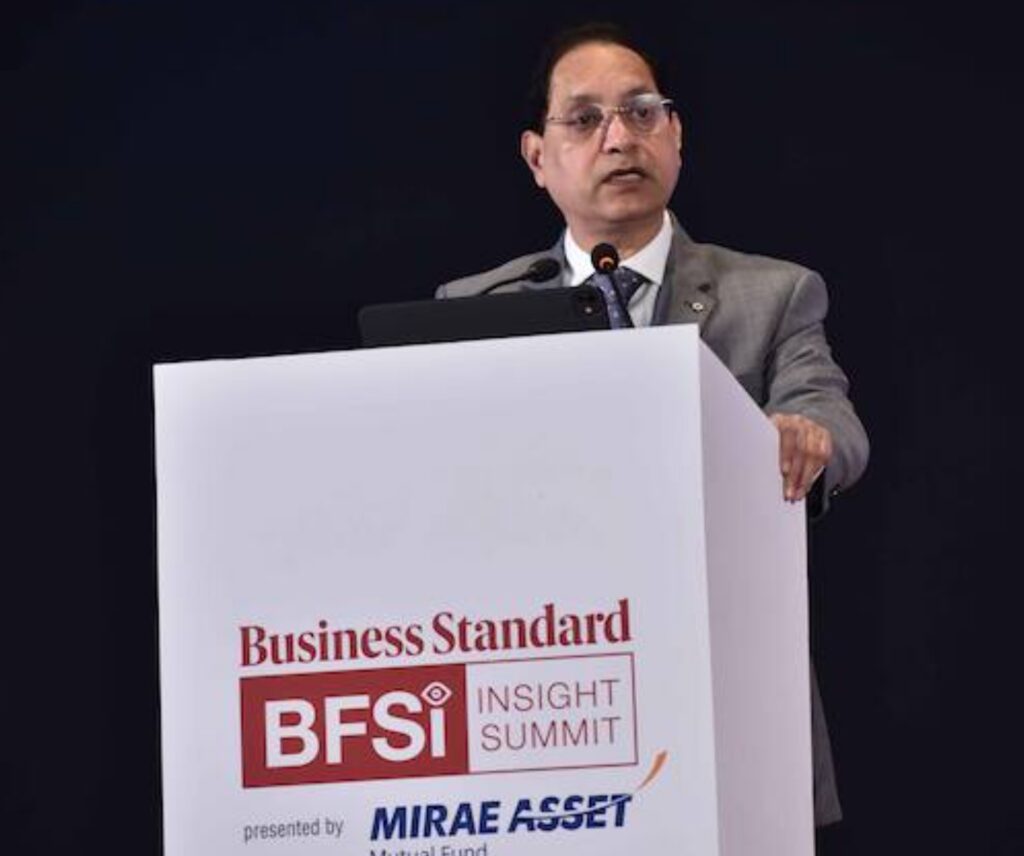
At the Business Standard BFSI Insight Summit 2025, SEBI Chairman Tuhin Kanta Pandey delivered a keynote address focusing on the themes of trust, transparency, and market resilience. He underscored that India’s financial markets are growing rapidly, noting that the country’s unique investor count surged from 40 million in FY19 to over 135 million, while market capitalisation climbed to roughly 129% of GDP. To safely sustain this expansion, Pandey highlighted a range of regulatory reforms, including a strict refusal to dilute the 25% minimum public shareholding (MPS) norm, the formation of a conflict of interest committee, and the reinforcement of governance structures across stock exchanges and clearing corporations. Addressing the broader financial architecture, he noted that India’s ecosystem has become heavily interlinked across banks, mutual funds, fintechs, and insurance. Consequently, he emphasized that SEBI is prioritizing the development of foresight capabilities to read trends early, mandate responsible technology and artificial intelligence (AI) adoption, and tighten liquidity risk parameters like mutual fund stress-testing to ensure systemic stability.
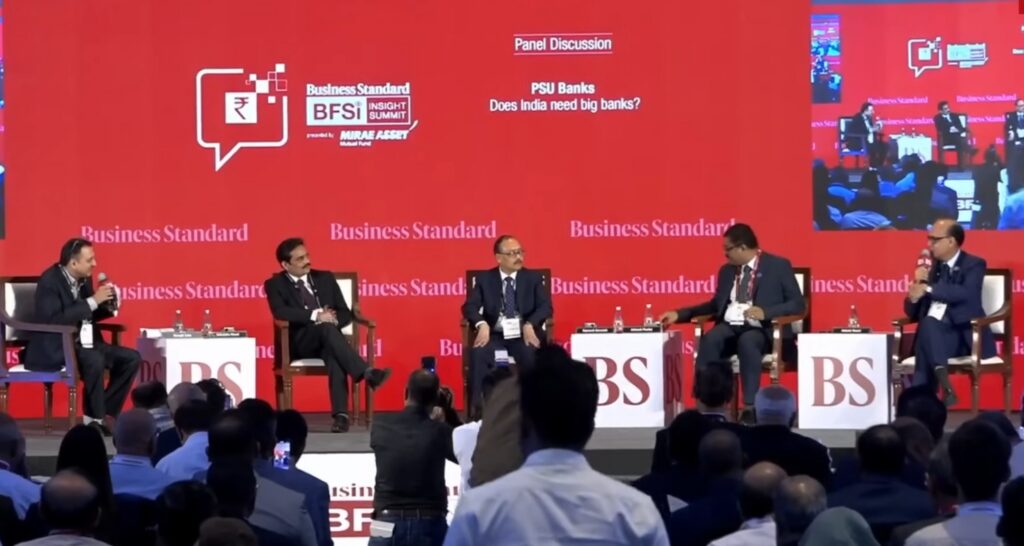
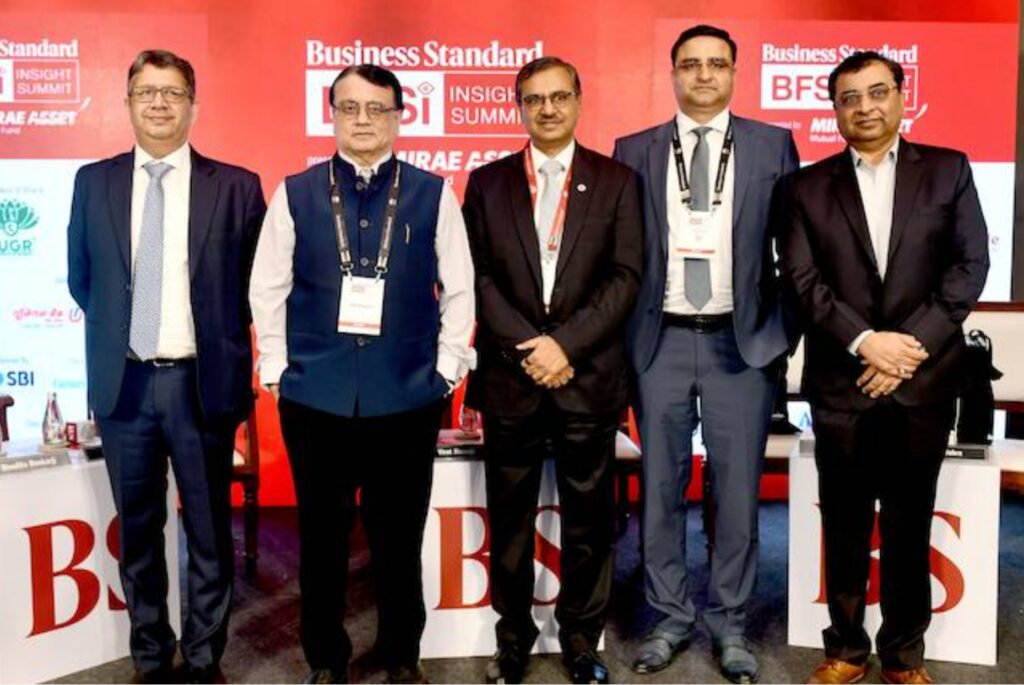
To support India’s goal of reaching a $35–$40 trillion economy by 2047 under the Viksit Bharat vision, banking leaders at the Business Standard BFSI Summit 2025 emphasized that scale in the banking sector is an absolute necessity rather than a luxury. State Bank of India (SBI) Managing Director Ashwini Tewari and other public sector bank chiefs argued that the country needs at on least two institutions in the global top 20 and several more in the global top 100 to comfortably underwrite massive infrastructure and green-energy projects ranging from ₹10,000 to ₹15,000 crore. Leaders noted that larger balance sheets are vital to meet rising Tier-1 capital requirements, fund cutting-edge technology and artificial intelligence, and lower India’s current cost-to-assets ratio of 1.5%–2% down toward the global benchmark of 1%.
Beyond domestic infrastructure expansion, banking executives—including Union Bank of India MD Asheesh Pandey and Bank of India MD Rajneesh Karnatak—highlighted that global scale is critical for managing complex international trade, geopolitical shifts, and potential de-dollarization. As India targets an increase in GDP to $30–$40 trillion and raises credit-to-GDP penetration from 56% to 130% by 2047, larger state-owned and private banks must lead the way through organic growth or potential consolidation. At the same time, leaders stressed that smaller and niche banks will continue to play a complementary role by serving regional communities and specialized local credit needs.
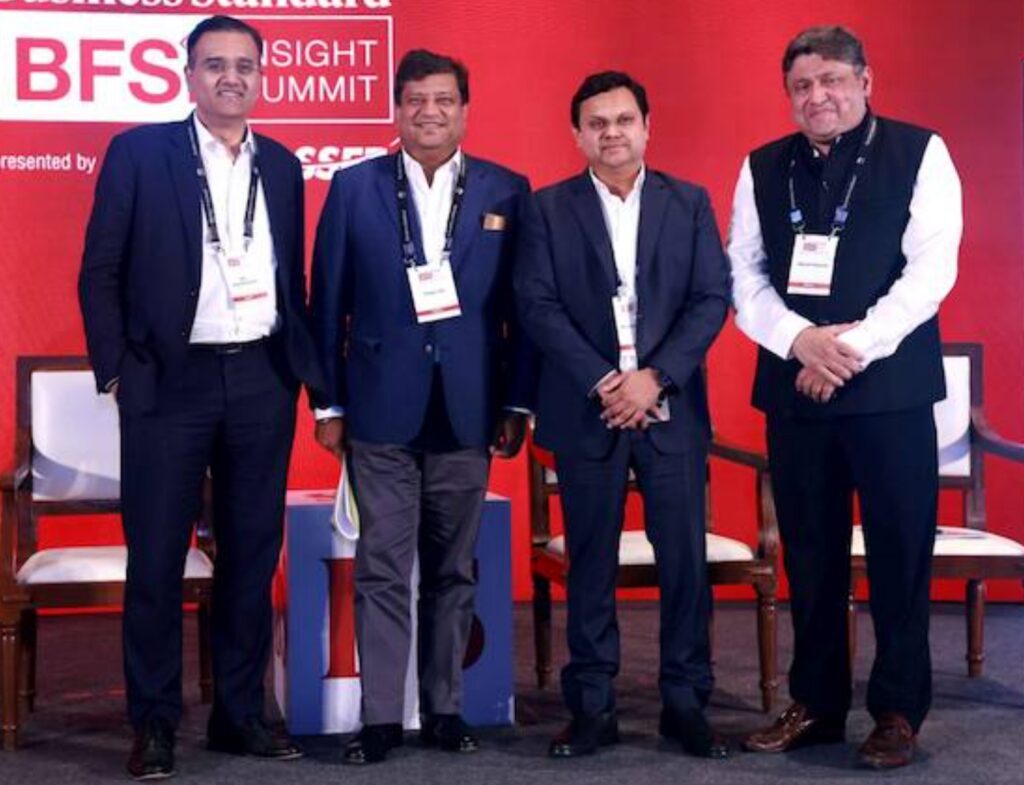
The distinguished panel featuring Hari Gopalakrishnan (EQT Partners), Gopal Jain (Gaja Capital), Abhishek Kabra (Samara Capital), and Manish Kejriwal (Kedaara Capital) highlighted that India’s private equity (PE) ecosystem has firmly entered a mature and mainstream phase. Addressing the topic of unutilised capital, or “dry powder,” the leaders reframed it not as a sign of caution, but as a reflection of a maturing sector defined by larger, more sophisticated transaction sizes. Abhishek Kabra emphasized that PE has structurally outperformed public markets globally by 6–7% on a 10-year rolling basis. He projected that capital allocation from domestic ultra-high-net-worth individuals (UHNIs) and family offices into Alternative Investment Funds (AIFs) is poised to double, climbing from the current 7–8% to a projected 15–16%. Furthermore, Manish Kejriwal noted that the underlying digitisation and artificial intelligence waves are sweeping across all operational sectors, acting as significant transformation drivers for private investments.
A fundamental shift in India’s investment cycle is the dramatic improvement in exit markets and a cultural evolution regarding ownership. Manish Kejriwal explained that while India historically struggled to return capital to Limited Partners (LPs) around 2010, the “sweet spot” today is supported by robust IPO markets, domestic M&As, and sponsor-to-sponsor secondary exits. Crucially, Kejriwal pointed out a cultural shift where selling a strategic stake is no longer viewed by business families as a “mark of shame,” clearing the path for institutionalized control transactions. Expanding on this, Hari Gopalakrishnan remarked on the massive rise of buyouts, which have scaled from making up just 20% of the market in 2013 to accounting for roughly half of all private equity deals by 2025, fueled by rising corporate succession planning. Ultimately, Gopal Jain concluded that India’s status as the world’s fifth-largest economy provides the massive scale, sophisticated framework, and deep consumer base required to comfortably absorb and generate alpha on these massive pools of global capital
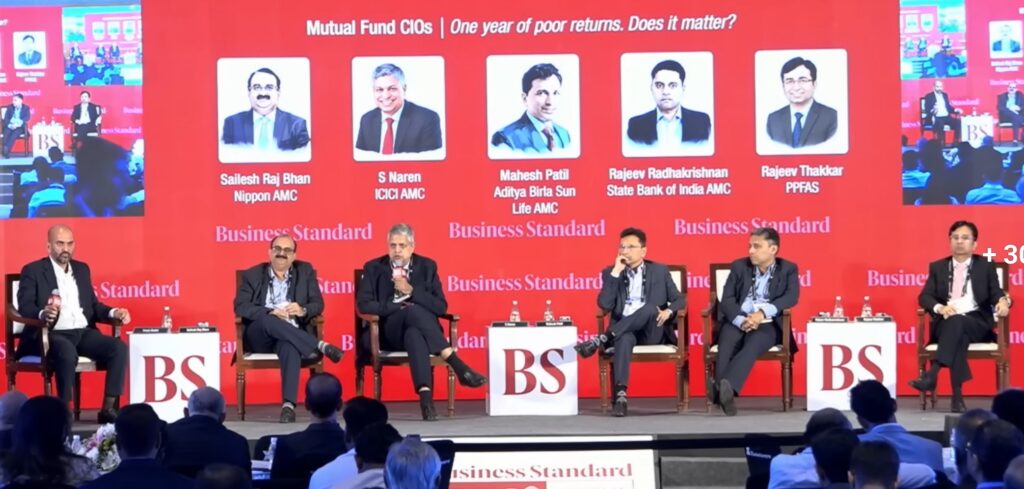
A high-powered panel titled “One year of poor returns. Does it matter?” featured leading mutual fund chiefs, including Shailesh Raj Bhan (Nippon India MF), S Naren (ICICI Prudential AMC), Mahesh Patil (Aditya Birla Sun Life AMC), Rajeev Radhakrishnan (SBI AMC), and Rajeev Thakkar (PPFAS Mutual Fund). The consensus among the equity experts was a strong emphasis on tempering return expectations and exercising caution amid global market uncertainties and elevated international valuations, notably in US technology stocks. Mahesh Patil highlighted that India’s recent relative underperformance stemmed from a temporary single-digit slowdown in corporate earnings growth alongside restrictive fiscal and monetary policies. Despite this cooling-off period and the deployment challenges posed by high liquidity versus restricted stock supply in mid- and small-cap segments, the leaders collectively affirmed that India’s macroeconomic fundamentals remain exceptionally strong and the domestic economy is fundamentally back on a healthy growth trajectory.
To navigate this highly measured market phase, the CIOs strongly advised retail investors to transition away from high-risk, concentrated bets and strictly focus on balanced asset allocation. S Naren noted that his house actively recommends hybrid and multi-asset products—even taking proactive steps to restrict new subscriptions in specific small- and mid-cap funds to mitigate concentration risks. Addressing the fixed income side, Rajeev Radhakrishnan underscored that Indian debt funds are currently in a “sweet spot,” offering attractive, positive real rates of return even when accounting for inflation, though he cautioned that the RBI’s stance would likely stay vigilant and tight due to potential geopolitical spillovers. Concluding on retail investment behavior, Shailesh Raj Bhan emphasized the necessity of transparent risk communication, urging investors to engage via Systematic Investment Plans (SIPs) and to solely commit capital that they can comfortably leave untouched for a long-term horizon of five to seven years.
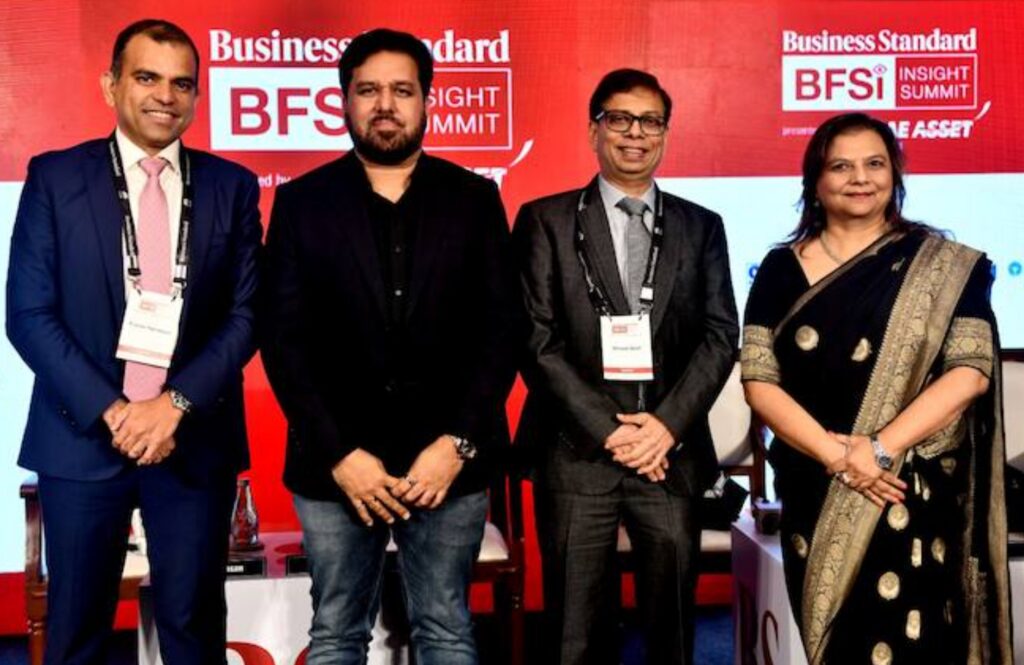
The prominent captains of the Indian broking industry characterized the current market slowdown as a necessary and healthy pause rather than a systemic decline. Top executives, including Pranav Haridasan (MD & CEO, Axis Securities), Ajay Menon (MD & CEO-Retail Wealth, Motilal Oswal), Shripal Shah (MD & CEO, Kotak Securities), and Amisha Vora (Chairperson & MD, PL Capital Group), emphasized that market nervousness and tightening regulations—especially around the derivatives segment—are driving an essential industry recalibration. Haridasan pointed out that the landscape is progressively moving toward a structure where investors make genuinely skill-based decisions, transferring focus from aggressive new account metrics to structural transaction value. Menon noted that while the primary post-pandemic objective was expanding the ecosystem—quadrupling India’s retail investor base to over 20 crore—the current mandate is to transition this massive user base into disciplined, long-term investors.
Simultaneously, the panel highlighted a massive demographic shift and an ongoing infrastructure transformation within brokerages to ensure sustainable future expansion. Amisha Vora highlighted that more than 50% of all newly opened accounts are held by individuals under the age of 30. This represents a powerful young cohort at the very beginning of its income-earning and wealth-creation lifecycle, whose equity and mutual fund allocations will scale dramatically over the long term. Geographically, this expansion is being led by previously under-penetrated regions in Northern and Eastern India. To safely accommodate this influx, brokerages are heavily absorbing rising compliance costs and investing heavily in robust data analytics, multi-layered cybersecurity, risk management, and secure KYC practices. By utilizing data-driven segmentation to match tailored product offerings with clear customer profiles (such as SIP beginners, midcap traders, and wealth builders), the broking sector is building a secure, resilient foundation to fuel its next secular and steady growth surge.

The 2026 BFSI Insight Summit in Mumbai isn’t just about big names — it’s where finance meets the future. With the Smart Investor Arena launching this year, it’s a real chance to connect with top CIOs, fund managers, and advisors, all in one place. And if you’re going, you can even grab a pass that includes a free year of an AI-powered finance copilot — sounds like a solid way to keep the momentum going after the event.